

The Good News: Inflammation Is Modifiable
Unlike genetics, inflammation responds powerfully to lifestyle choices. Functional medicine focuses on restoring balance rather than suppressing symptoms.
🥗 Anti-Inflammatory Nutrition
Strong evidence supports dietary patterns that lower inflammation, including:
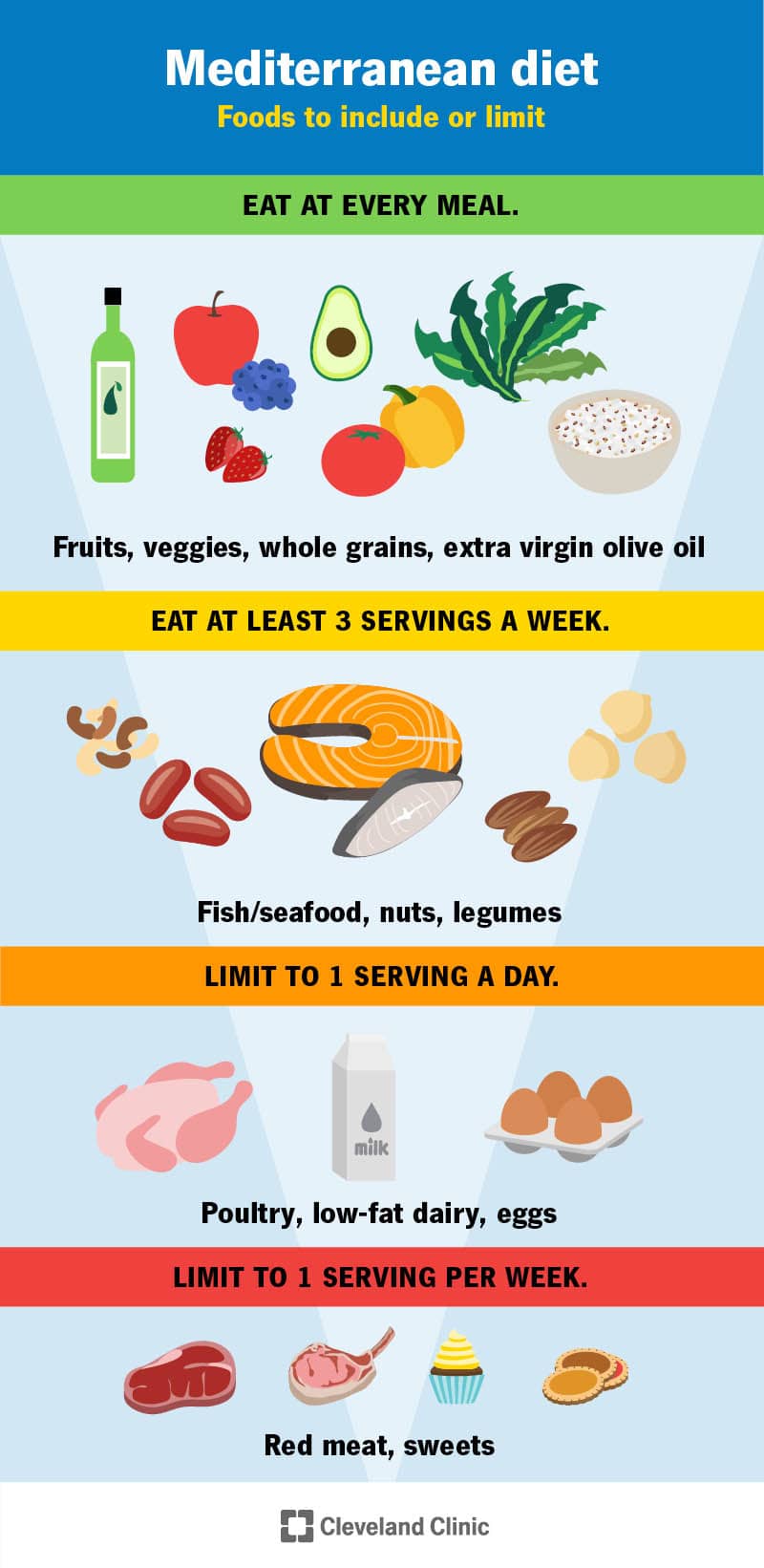
- Mediterranean and plant-forward diets
- High intake of vegetables, fruits, legumes, nuts, and olive oil
- Reduced intake of refined carbohydrates and processed meats
Omega-3 fatty acids (from fatty fish) help restore the body’s natural inflammation-resolving systems.
🏃 Movement as Medicine
Regular physical activity lowers inflammation by:
- Reducing inflammatory signaling from fat tissue
- Improving insulin sensitivity
- Enhancing vascular health
- Increasing pro-resolving mediators
Even moderate, consistent movement creates measurable anti-inflammatory effects.
🚭 Weight, Smoking, and Alcohol
- Weight loss reduces inflammatory burden across multiple organs
- Smoking cessation restores immune balance and resolution pathways
- Alcohol promotes inflammation in a dose-dependent manner—especially affecting the gut, liver, brain, and cancer risk
From a prevention standpoint, less is better.
🌿 Plant Compounds That Quiet Inflammation
Naturally occurring compounds—such as curcumin, resveratrol, quercetin, and gingerol—help:
- Down-regulate NF-κB signaling
- Reduce oxidative stress
- Support a healthier gut microbiome
Food truly functions as information for the immune system.
Key Takeaway
Reducing inflammation is not about one supplement or medication—it’s about creating an internal environment where healing can occur.
🌿 How Diet and Food Choices Shape Inflammation
A Functional and Lifestyle Medicine Deep Dive
Why Food Matters More Than Calories
Food is more than fuel.
Every bite you take sends information to your immune system, gut microbiome, hormones, and metabolism.
From a functional medicine perspective, diet is one of the most powerful drivers of inflammation—for better or worse. What you eat can either:
- Turn inflammatory pathways on
- Or activate your body’s built-in healing and resolution systems
This is why diet plays a central role in conditions like heart disease, diabetes, autoimmune illness, hormone imbalance, brain fog, chronic pain, and cancer risk.
Inflammation: A Response to Signals, Not Just Injury
Your immune system evolved to respond to real threats—infection, trauma, and toxins.
In the modern world, however, the immune system is repeatedly exposed to dietary signals that mimic danger:
- Rapid blood sugar spikes
- Excess refined oils and sugars
- Ultra-processed foods
- Altered gut bacteria
- Food additives and emulsifiers
Over time, these signals keep inflammatory pathways activated—even in the absence of infection.
How Food Activates (or Calms) Inflammatory Pathways
1️⃣ Blood Sugar Spikes = Inflammatory Signals
Highly refined carbohydrates and sugars cause rapid rises in blood glucose. This leads to:
- Increased insulin release
- Oxidative stress
- Activation of inflammatory transcription factors (like NF-κB)
Repeated blood sugar swings train the immune system to remain on high alert, contributing to insulin resistance, vascular inflammation, and hormone disruption.
Key insight:
You don’t need diabetes for blood sugar to drive inflammation.
2️⃣ Dietary Fats Shape the Inflammatory Response
Not all fats behave the same way in the body.
- Excess omega-6 fats (from refined seed oils) tend to produce pro-inflammatory signaling molecules
- Omega-3 fats support the production of pro-resolving mediators—compounds that actively turn inflammation off
Modern diets are often heavily skewed toward omega-6 fats, impairing the body’s ability to resolve inflammation once it starts.
3️⃣ The Gut Is the Control Center for Inflammation
Over 70% of the immune system is connected to the gut.
Food choices directly affect:
- Gut bacteria composition
- Integrity of the gut lining
- Production of inflammatory vs anti-inflammatory compounds
Ultra-processed foods, alcohol, and low-fiber diets weaken the gut barrier, allowing bacterial toxins to enter circulation and trigger systemic inflammation.
Conversely, fiber-rich, plant-forward diets feed beneficial microbes that produce short-chain fatty acids, powerful anti-inflammatory compounds.
4️⃣ Food Can Amplify or Quiet Immune Reactivity
Certain dietary patterns continuously stimulate immune cells, while others promote tolerance and balance.
Highly processed diets:
- Increase inflammatory cytokines
- Reduce immune regulation
- Promote autoimmunity in susceptible individuals
Whole-food diets:
- Improve immune signaling
- Reduce inflammatory load
- Support tissue repair and metabolic health
Food is one of the primary levers controlling immune tone.
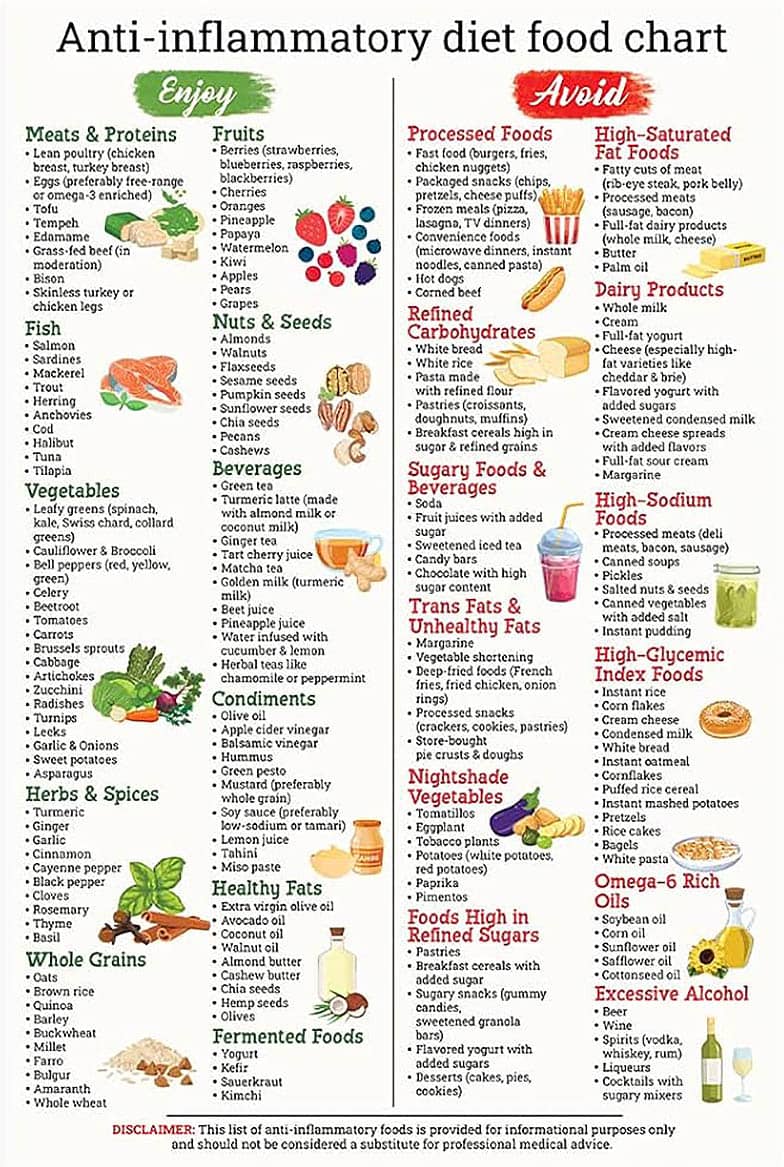
Pro-Inflammatory vs Anti-Inflammatory Food Patterns
Foods That Tend to Promote Inflammation
- Sugary beverages and sweets
- Refined grains
- Ultra-processed packaged foods
- Excess alcohol
- Industrial seed oils
- Processed meats
These foods repeatedly activate stress and inflammatory pathways.
Foods That Help Calm Inflammation
- Colorful vegetables and fruits
- Legumes and whole grains
- Nuts and seeds
- Olive oil and fatty fish
- Herbs, spices, and polyphenol-rich plants
These foods provide:
- Antioxidants
- Anti-inflammatory signaling molecules
- Gut-supportive fibers
Dietary Patterns With Strong Anti-Inflammatory Evidence
Rather than focusing on single “superfoods,” research consistently supports patterns of eating.
Mediterranean-Style Eating
Associated with:
- Lower CRP and IL-6
- Improved insulin sensitivity
- Reduced cardiovascular and cancer risk
Plant-Forward Diets
Linked to:
- Lower systemic inflammation
- Improved gut microbiome diversity
- Reduced metabolic disease risk
Whole-Food, Low-Ultra-Processed Approaches
Reduce:
- Blood sugar variability
- Oxidative stress
- Immune overactivation
The common theme is real food, variety, and consistency.
The Role of Phytochemicals and Spices
Plants contain thousands of natural compounds that interact directly with inflammatory pathways.
Compounds found in:
- Berries
- Leafy greens
- Turmeric
- Ginger
- Green tea
- Herbs and spices
Help:
- Down-regulate inflammatory gene expression
- Reduce oxidative stress
- Support immune balance
- Improve gut–immune communication
This is one reason diet diversity matters.
Food as a Long-Term Signal, Not a Short-Term Fix
Inflammation is not switched off overnight.
Diet works by:
- Reducing daily inflammatory inputs
- Supporting resolution pathways
- Allowing tissues time to heal
Small, consistent changes often lead to measurable improvements in lab markers, symptoms, and disease risk over weeks to months.
A Functional Medicine Perspective
From a root-cause lens, diet is not about perfection or restriction—it’s about reducing unnecessary immune activation and restoring balance.
When inflammation quiets:
- Hormones regulate more smoothly
- Energy improves
- Weight becomes easier to manage
- Pain and brain fog lessen
- Long-term disease risk declines
Food becomes one of the most powerful tools for healing.
Key Takeaway
Every meal either adds fuel to inflammation—or helps put the fire out. Over time, those signals shape how your body ages, heals, and protects itself from disease.
References:
Reyneke et al., Nutrition Reviews 2025
Mensah et al., JACC 2025
Margină et al., IJERPH 2020
Nakadate et al., IJMS 2025
Del Pinto et al., Current Pharmaceutical Design 2020


